

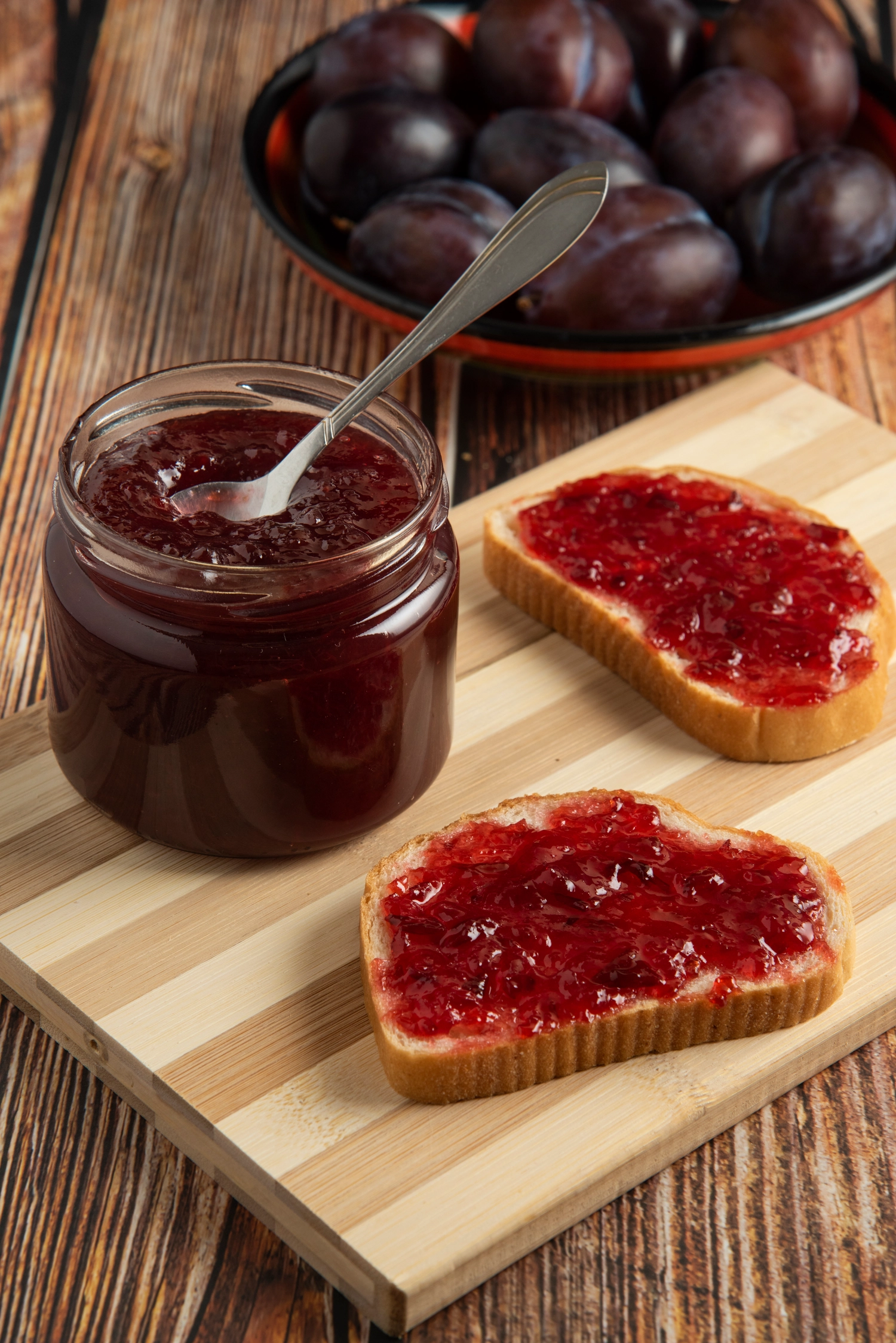
Jam & Sauce
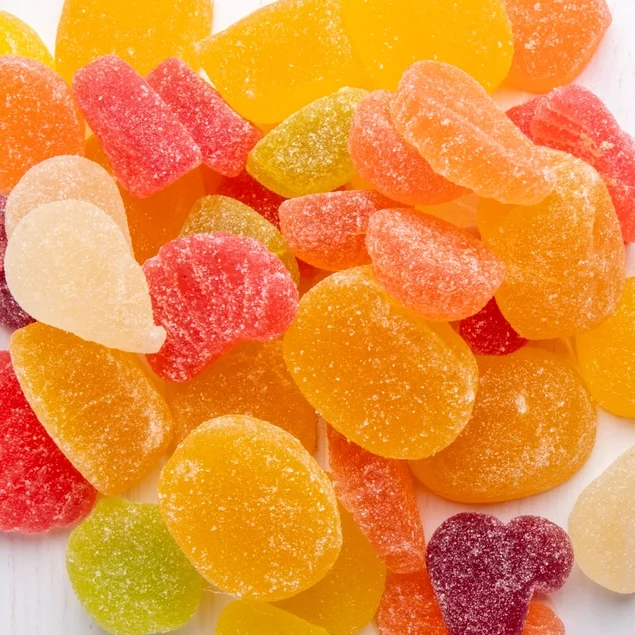
Gummy
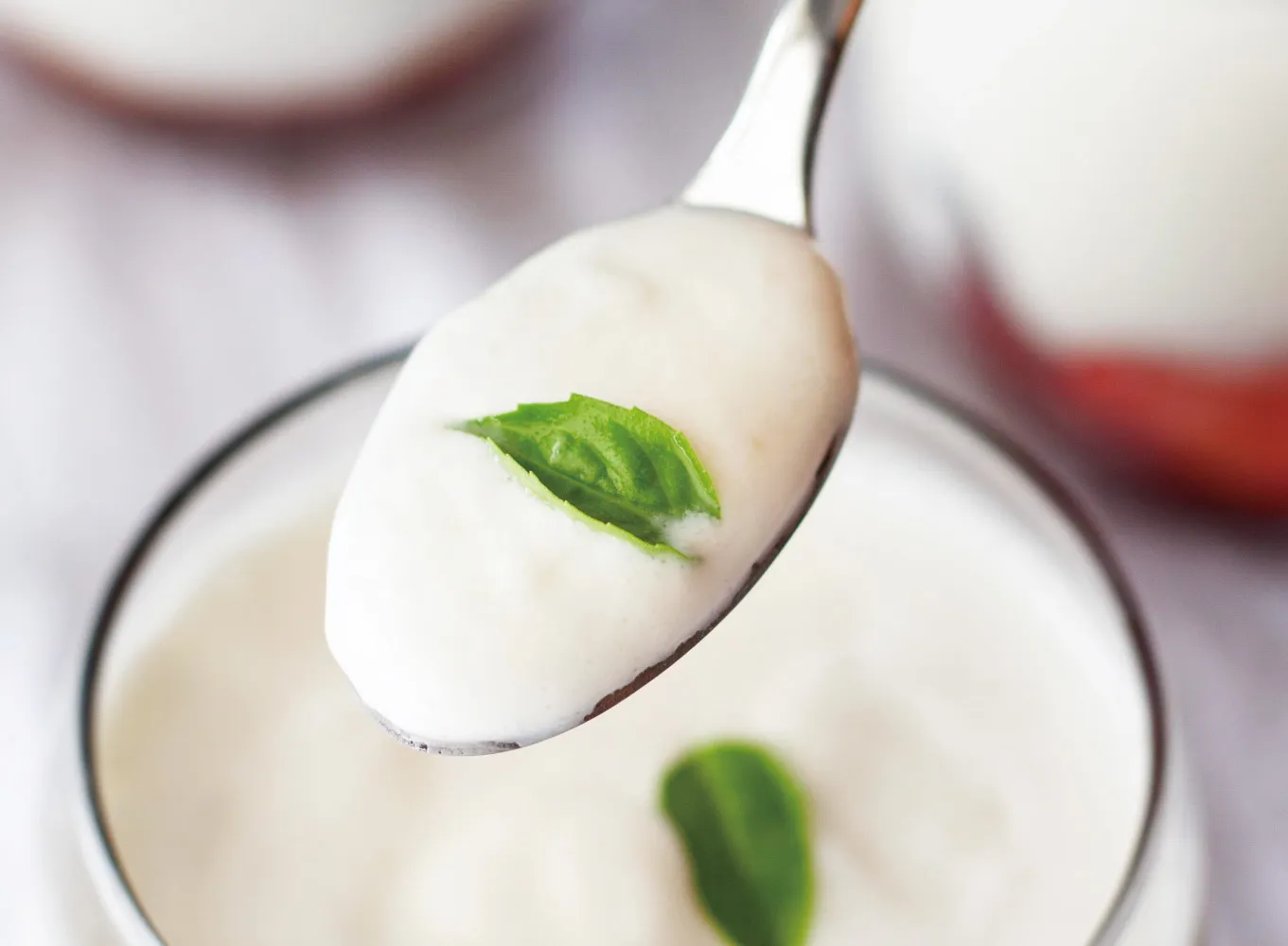
Yogurt
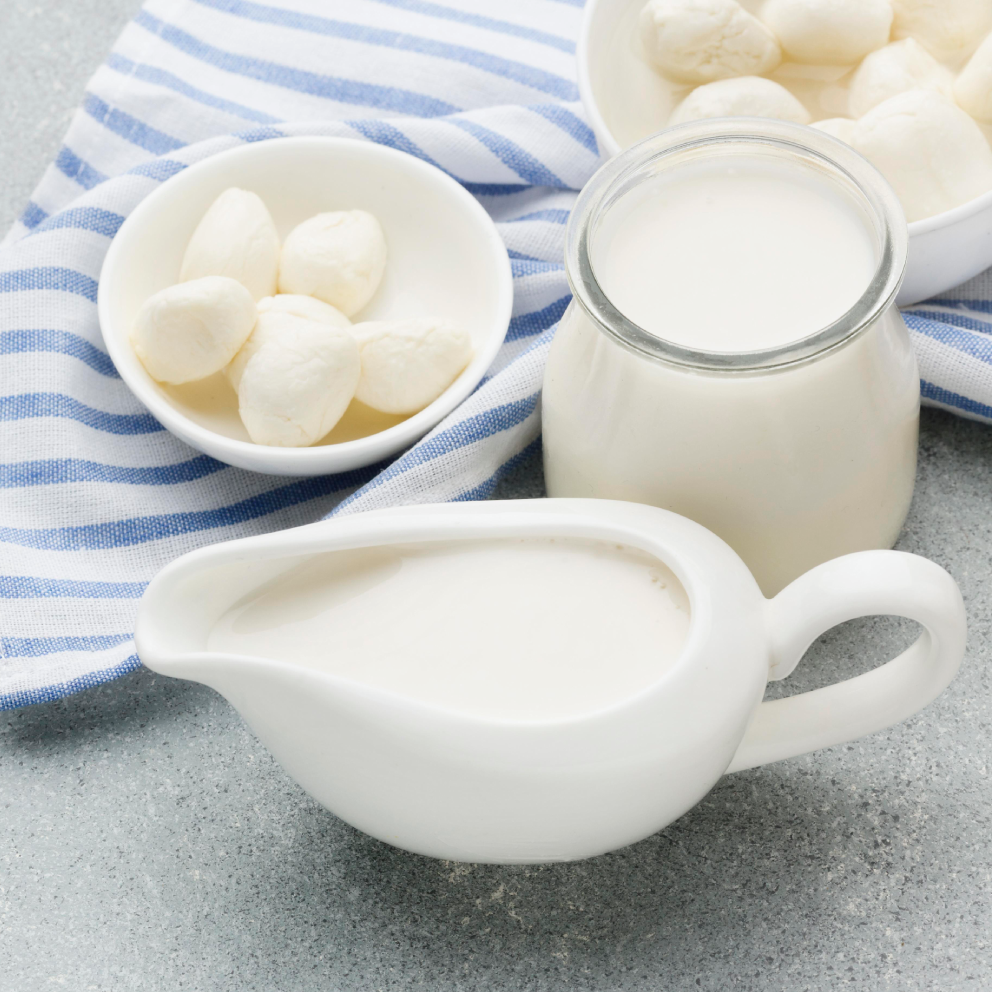
Acid dairy drink

Bakery fillings
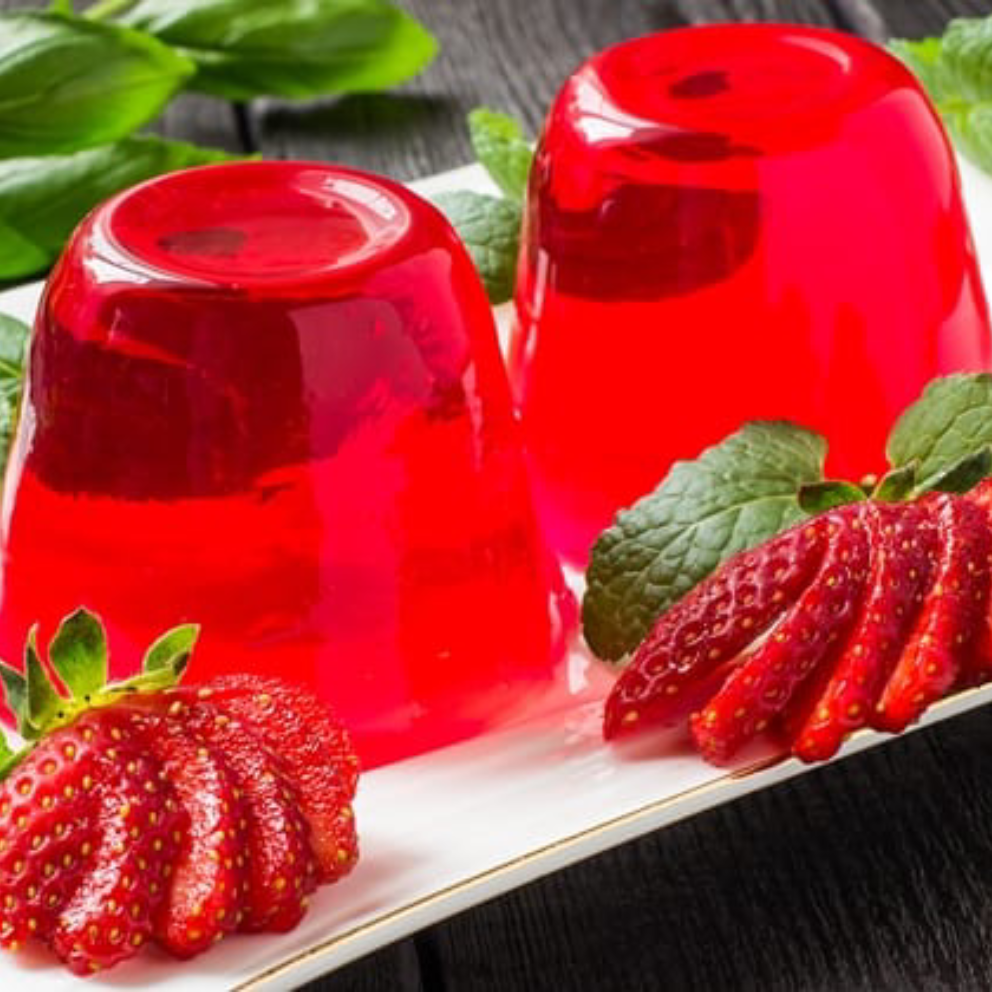
Jelly
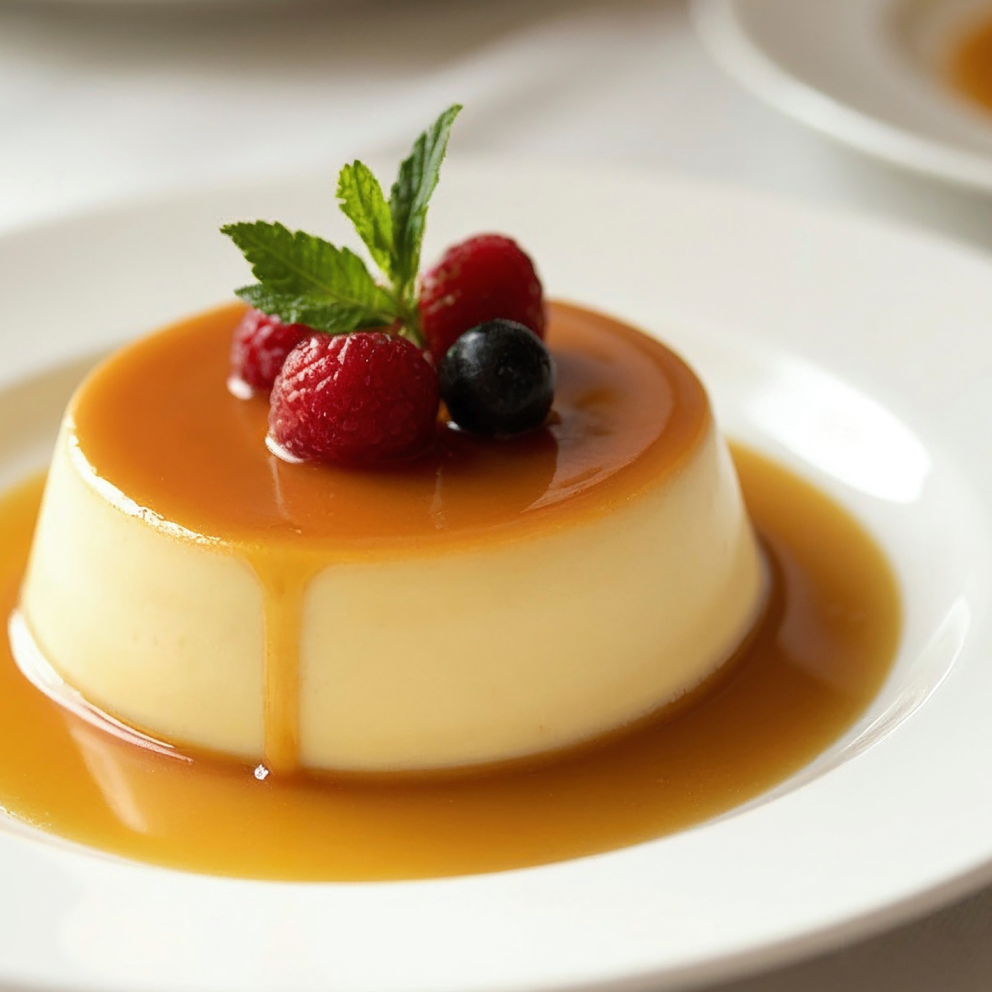
Pudding
Pectin is a complex polysaccharide compound found in the cell walls of plants, especially in thick-skinned fruits such as apples, oranges, and lemons. It has a key property of forming gels when reacting with sugar and acid, making it an essential ingredient in the food industry—for example, in the production of jams, jellies, and fiber-enriched products.
Pectin can be categorized into two main types:
However, pectin does more than just thicken or act as a gelling agent. It also offers notable nutritional and health benefits, including:
1. Soluble Dietary Fiber
Pectin is classified as a soluble fiber, which can help slow the absorption of sugar into the bloodstream, reduce cholesterol levels, and promote healthy digestion by serving as a prebiotic—providing nourishment for beneficial gut bacteria.
2. Supports Heart and Vascular Health
Regular consumption of pectin may help lower LDL (bad cholesterol) levels and regulate blood pressure, contributing to overall cardiovascular health.
3. Applications in Health and Pharmaceutical Products
Pectin is used in dietary supplements and pharmaceutical formulations, such as coating tablets and controlling the release of active ingredients in the body.
4. Utilized in the Food and Beverage Industry
Beyond its gelling properties, pectin also functions as a thickener, stabilizer, and texture enhancer in a variety of food and beverage products—including fat-free and sugar-free formulations.
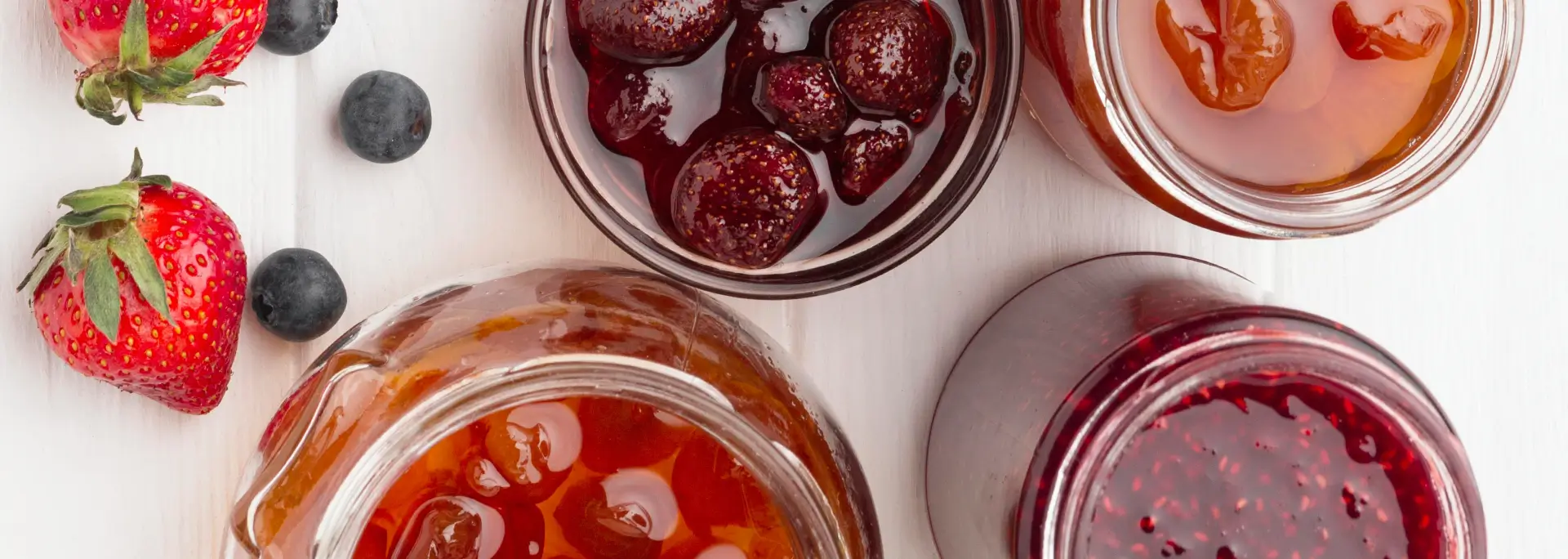
Pectin is a plant-derived substance found in the peel of citrus fruits (such as lemons, oranges, and apples). Its key properties include gelling and thickening, making it a popular ingredient in the following products:
Helps the product form a gel without the need for animal-based gelatin Controls the texture to be firm, soft, and not overly runny Ideal for formulations that require vegan labeling
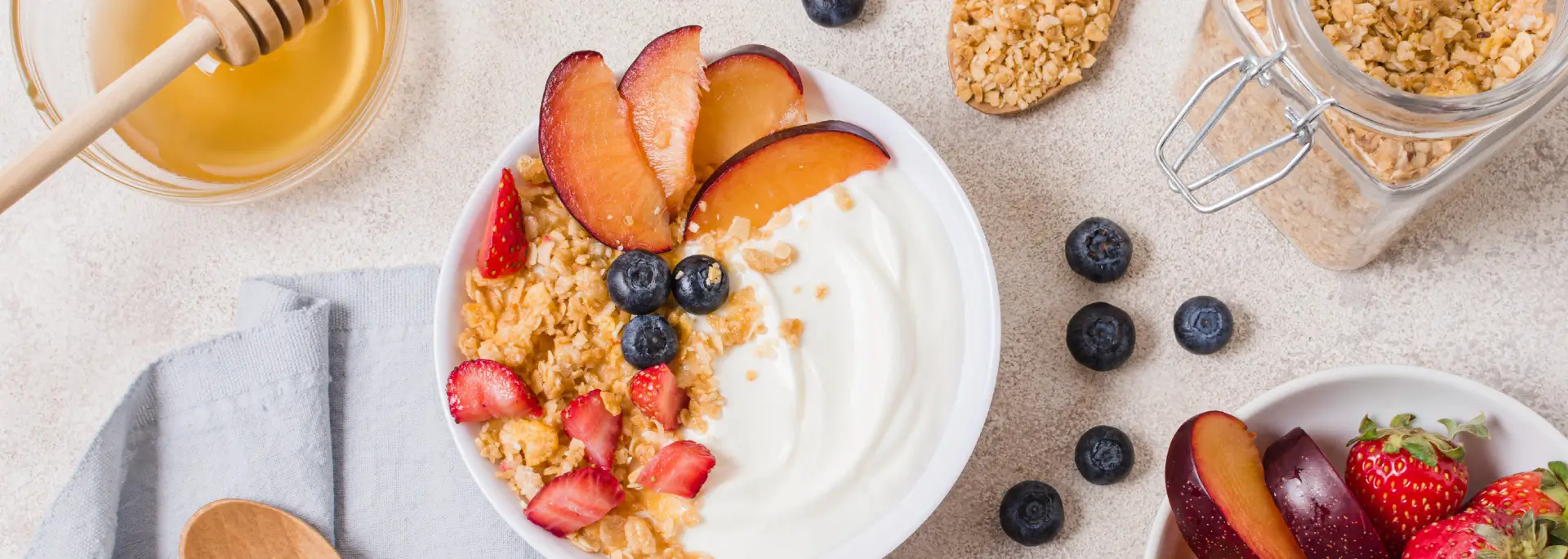
Ensures a smooth texture and prevents separation Increases viscosity, making the product easier to drink and more uniform Acts as a stabilizer to prevent sedimentation
Controls the thickness of fillings, such as fruit pie fillings Prevents the filling from leaking during baking at high temperatures
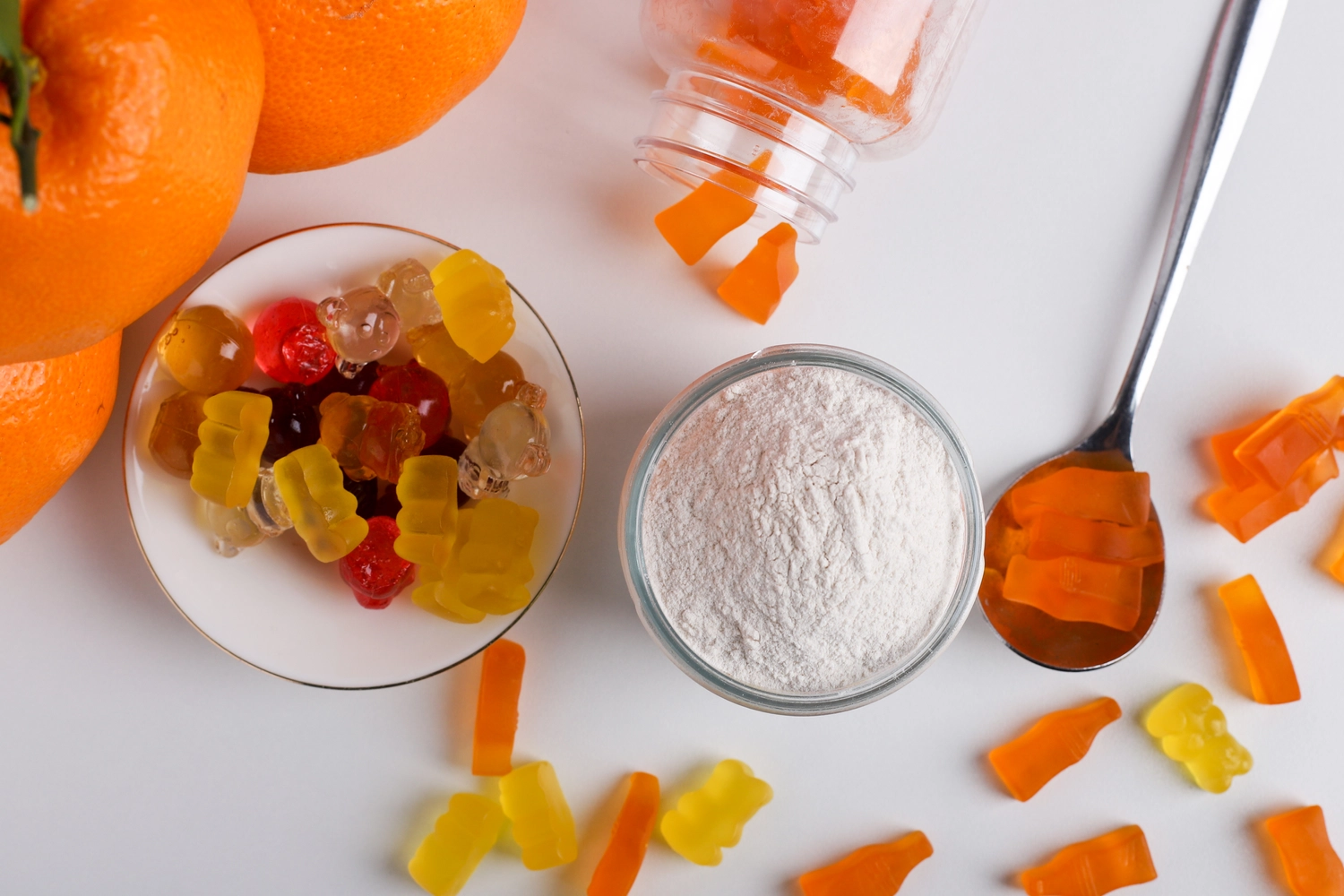
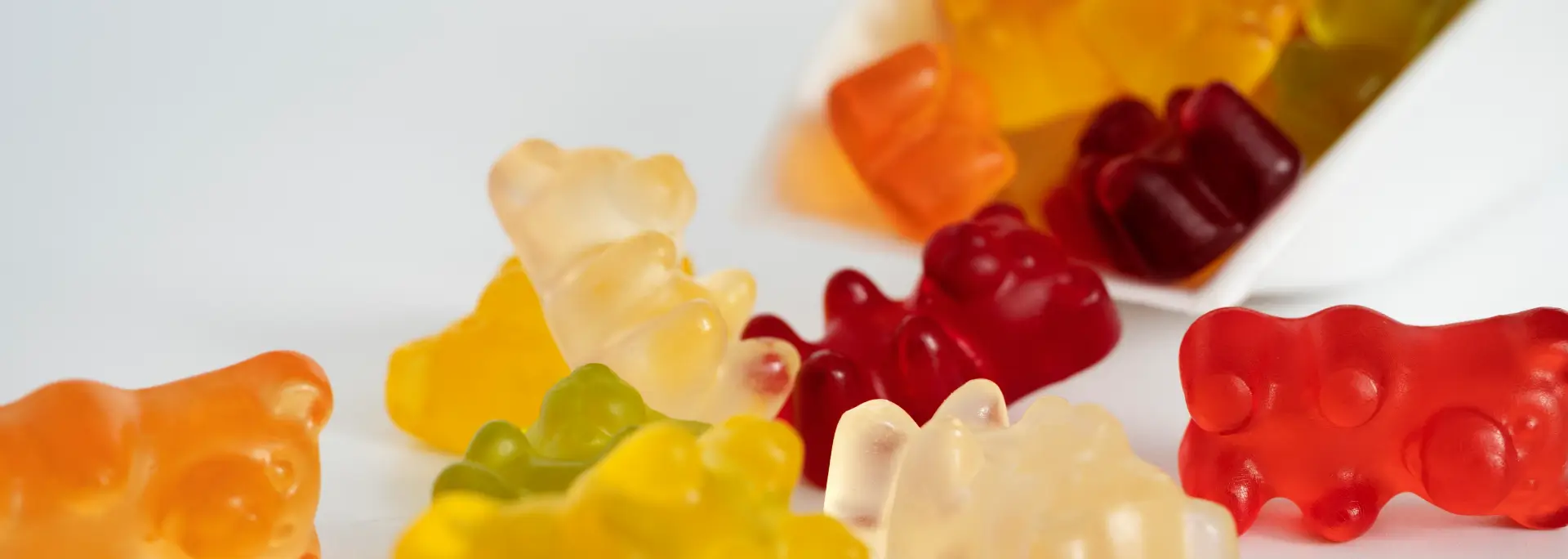
Replaces gelatin to provide a chewy, soft, and bouncy texture Offers a “animal-free” advantage, making it suitable for vegan or vegetarian consumers
| Topic | HM Pectin (High Methoxyl) | LM Pectin (Low Methoxyl) |
| Methoxyl Level (%) | Higher than 50% (typically 55–75%) | Lower than 50% (typically 20–40%) |
| Degree of Esterification (DE) | More than 50% (more than 50% of galacturonic acid units are esterified with methoxyl groups) | Less than 50% (less than 50% of galacturonic acid units are esterified) |
| Gelation Requirements | Requires high sugar content (>55%) and an acidic environment (pH around 2.5–3.5) to form a gel | Forms gels in the presence of calcium ions (Ca²⁺), even with low or no sugar content |
| Optimal pH Range | 2.5 – 3.5 | 2.0 – 6.0 (wider range) |
| Suitable Product Types | Jam, jelly, and other high-sugar products | Low-sugar or sugar-free products, health-focused jelly, products for diabetics, vegan desserts |
| Gel Characteristics | Firm and clear gel | Softer, more elastic gel |
| Pharmaceutical Applications | Used as a thickener and gelling agent in capsules and general tablets | Suitable for pharmaceuticals and supplements requiring controlled release of active ingredients |