What is Carrageenan? A closer look at the thickener from red algae.
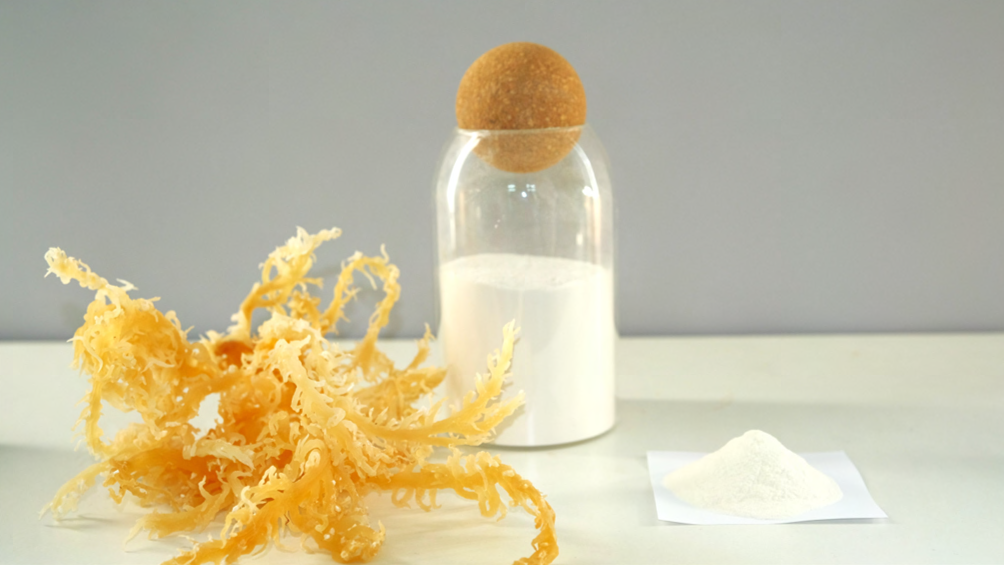
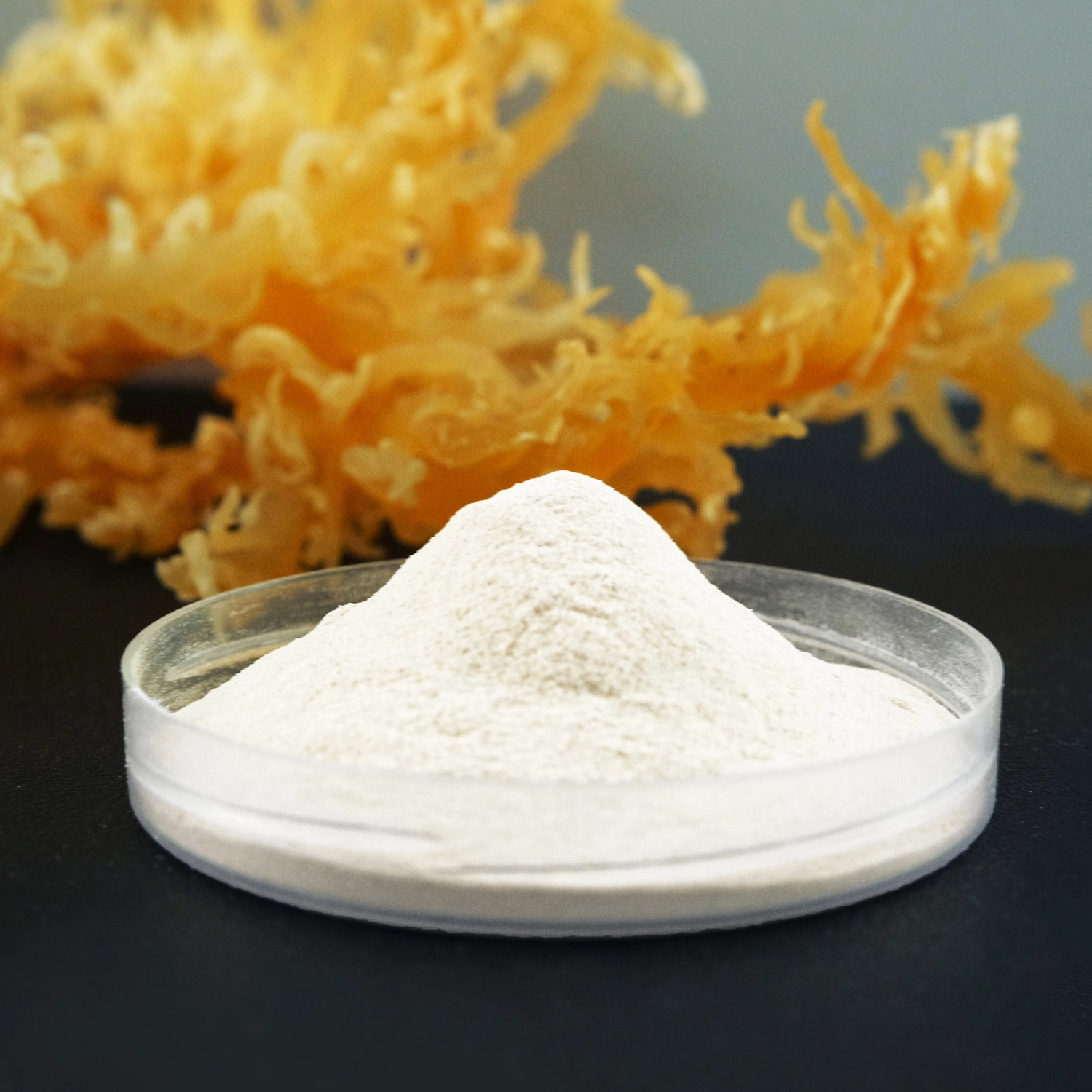
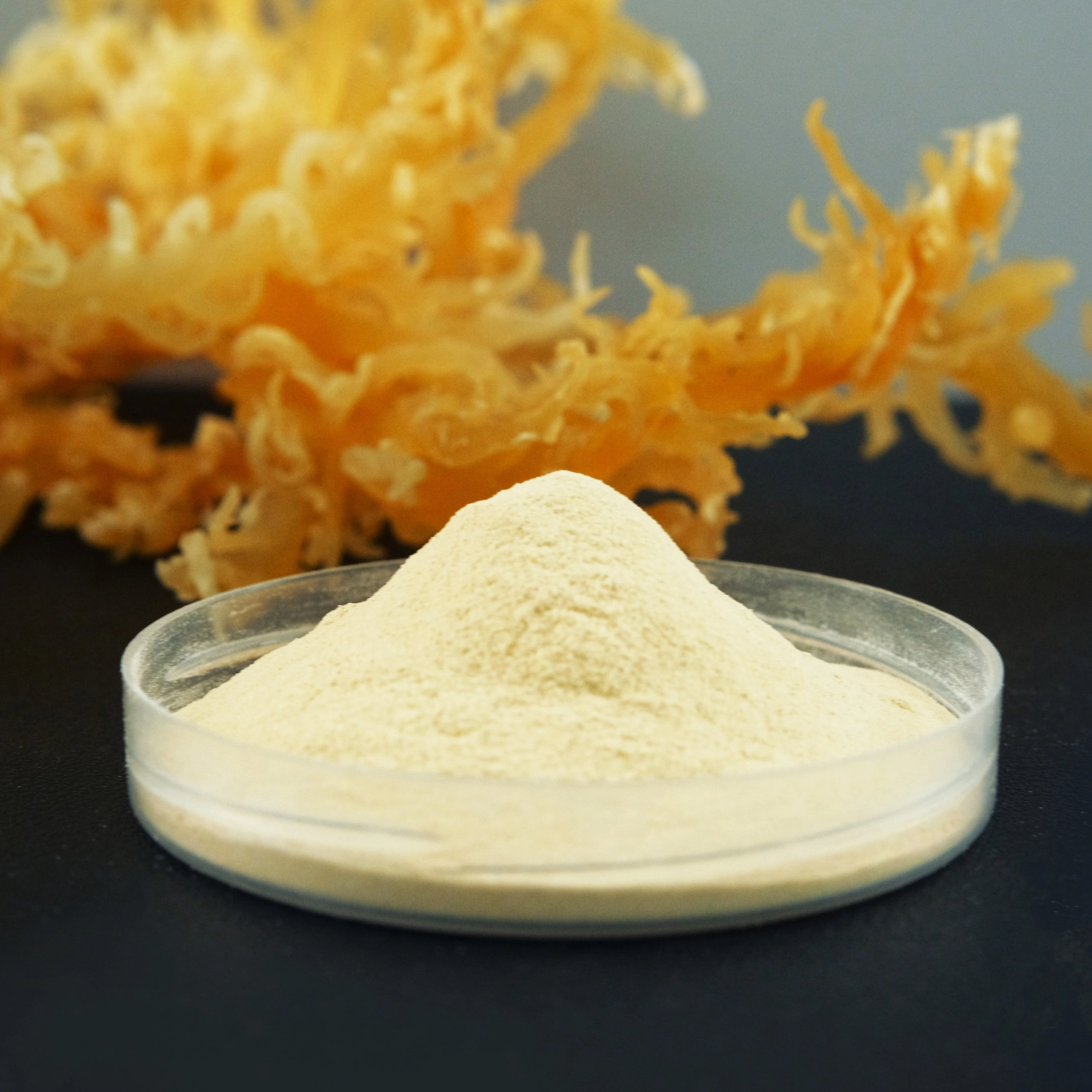
Carrageenan is a complex compound belonging to the polysaccharide group, derived from red seaweed species such as Eucheuma and Gigartina, which grow naturally in the ocean. This substance is widely used in the food, beverage, and pharmaceutical industries due to its key functional properties as a:
- Thickener
- Gelling Agent
- Stabilizer
With these properties, carrageenan is commonly used to improve the texture, stability, and appearance of products without altering their taste or aroma.
Our high-quality carrageenan is derived from a variety of seaweeds, including Chondrus, Eucheuma, and Psoralea. We maintain strict control over the sourcing process, working directly with local raw material suppliers. This ingredient is widely used as a key component in the food industry due to its excellent thickening properties, ability to enhance texture adhesion, and maintain product stability. It is ideal for use in dairy products, desserts, processed meats, and various other food applications.
At Menara, we are your trusted partner in supplying carrageenan products tailored to your specific needs. We offer both standard formulations and customized solutions developed exclusively for each client. Our focus is on continuous innovation and formulation development to support a wide range of applications in the food industry, including specialized and niche segments.
Types of Carrageenan
Carrageenan can be categorized based on its molecular structure and manufacturing process, both of which influence its functional properties. The main types can be grouped as follows:
1. Kappa Carrageenan
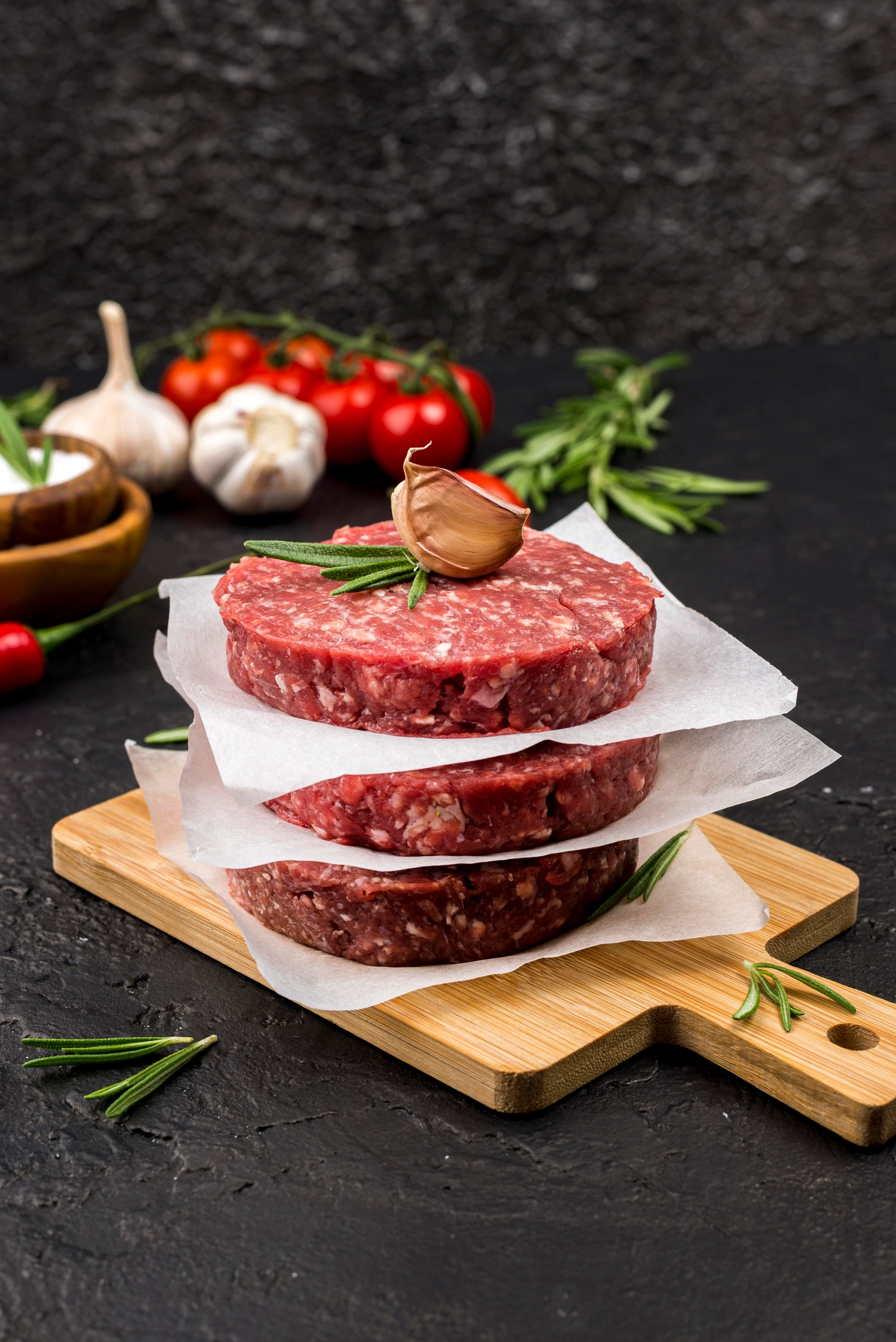
It has the ability to form a firm and brittle gel, providing a dense texture that helps maintain the shape and stability of products. It is suitable for applications that require strong gelation or firm gel, such as processed meats and jelly.
- Kappa Refined
This type undergoes a thorough process to remove fibers and impurities, resulting in high purity. It appears white or light cream in color, dissolves well, and produces a clear, consistent gel. It is ideal for high-quality products such as clear jelly or desserts that require high stability.
- Kappa Semi-refined
This type still contains some seaweed fibers, with a brownish or darker cream color and a slightly cloudy texture. It is commonly used in industries where high clarity is not required, such as processed meat products, sausages, or ham.
2. Iota Carrageenan
Produces a soft, elastic, and non-brittle gel, differing from Kappa by having high flexibility. It is suitable for products that require a smooth texture, such as puddings, sauces, or dairy products.
- Iota Refined
Has high purity, producing a smooth, clear, and consistent gel. It is used in high-quality products such as desserts, health care products, or cosmeceuticals.
- Iota Semi-refined
Slightly cloudy with a darker color than the refined type. The gel remains soft but is less clear than the refined version. It is suitable for products that do not require clarity, such as salad dressings, sauces, or colored products.

Meat Products

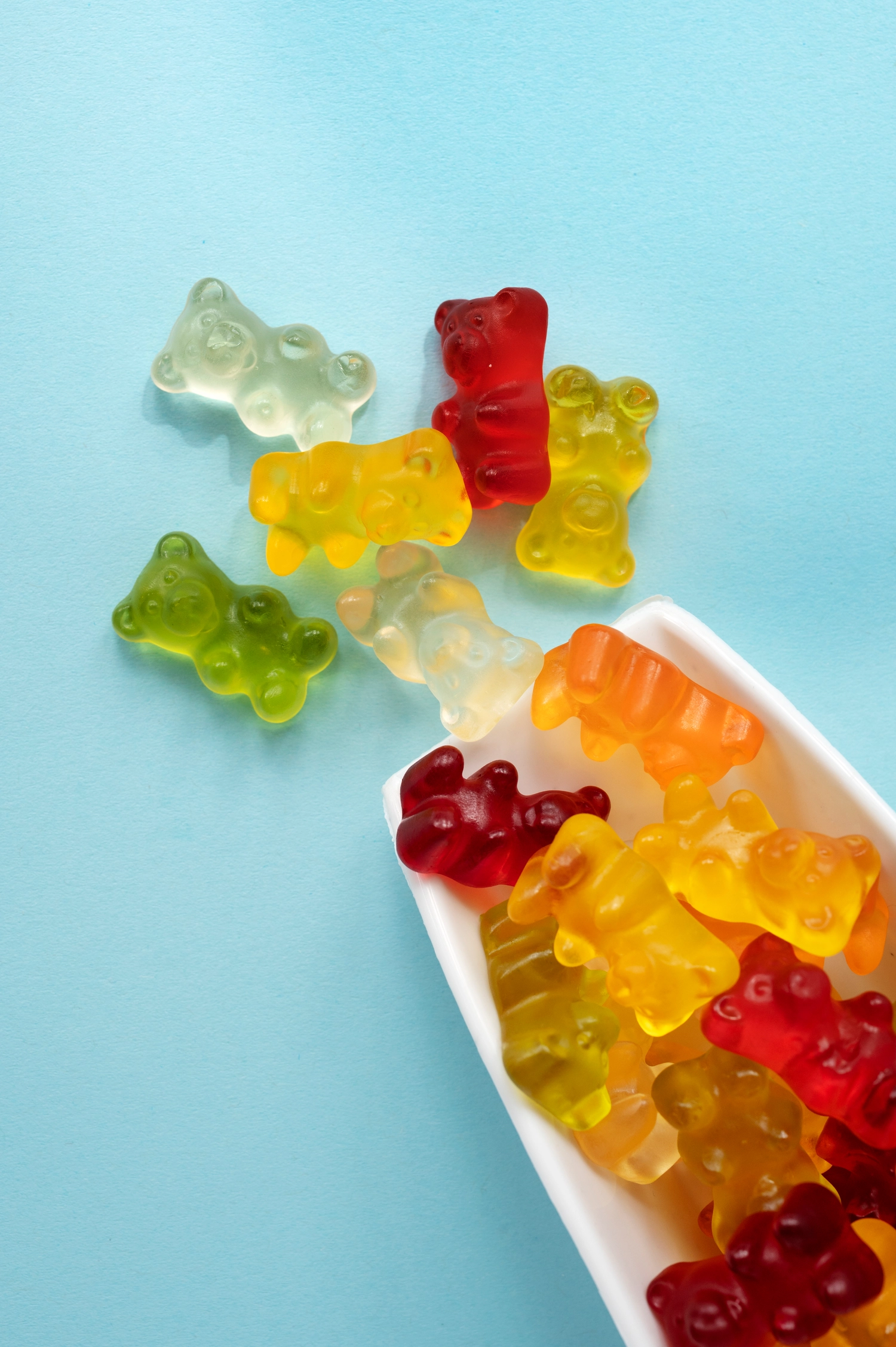
Gummy
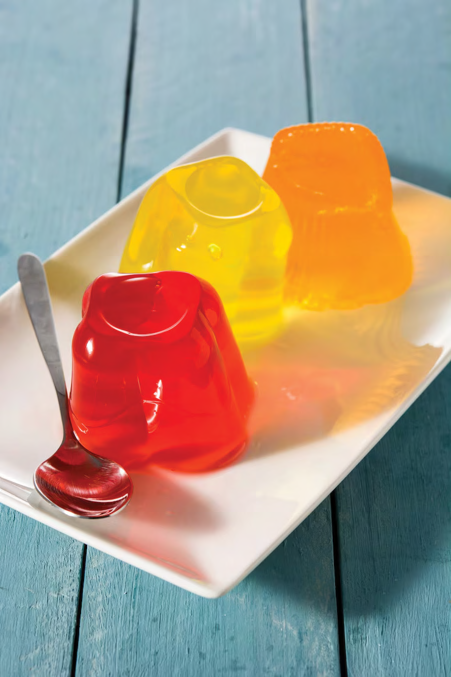
Jelly & Pudding

Pet Food
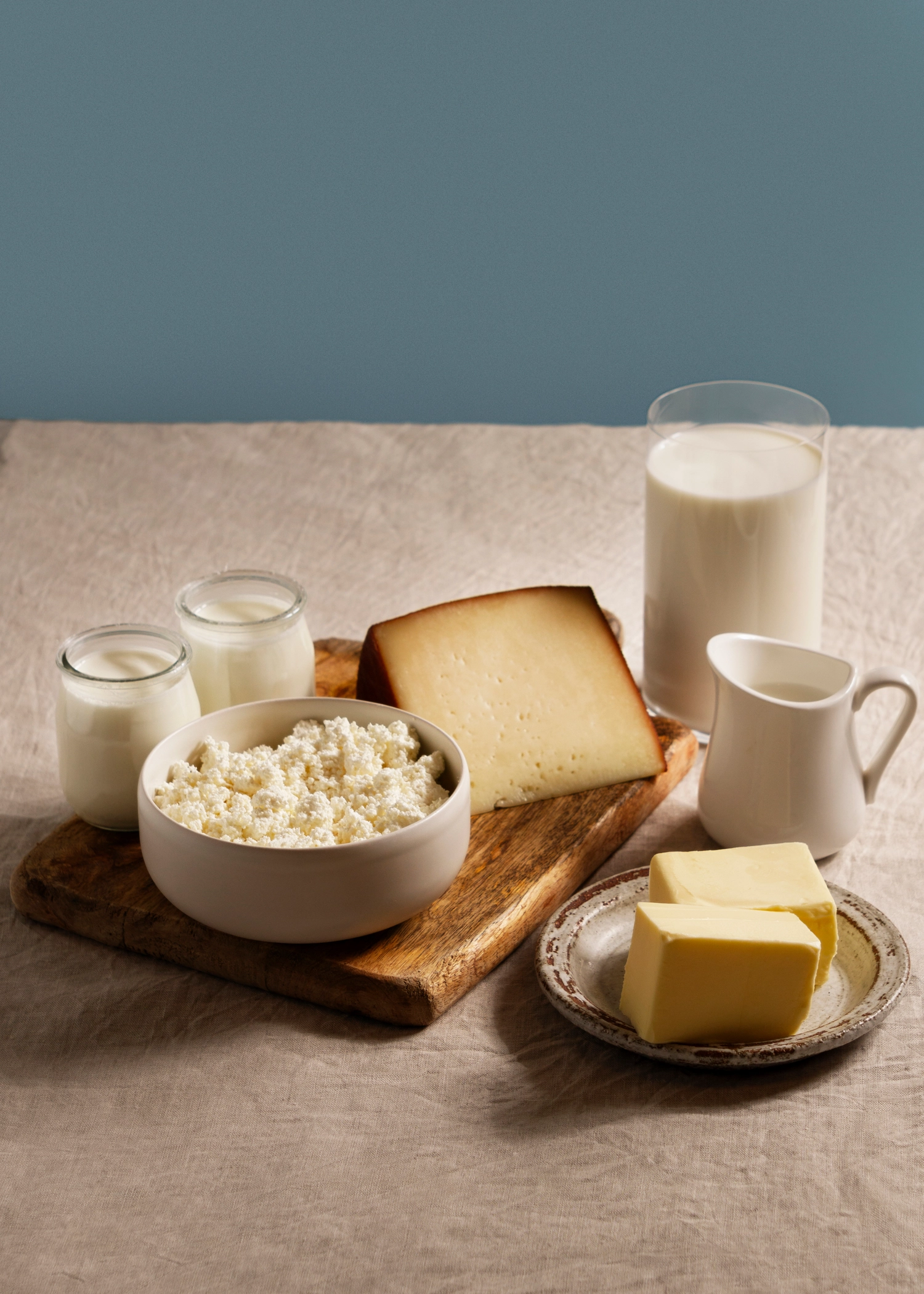
Dairy Products
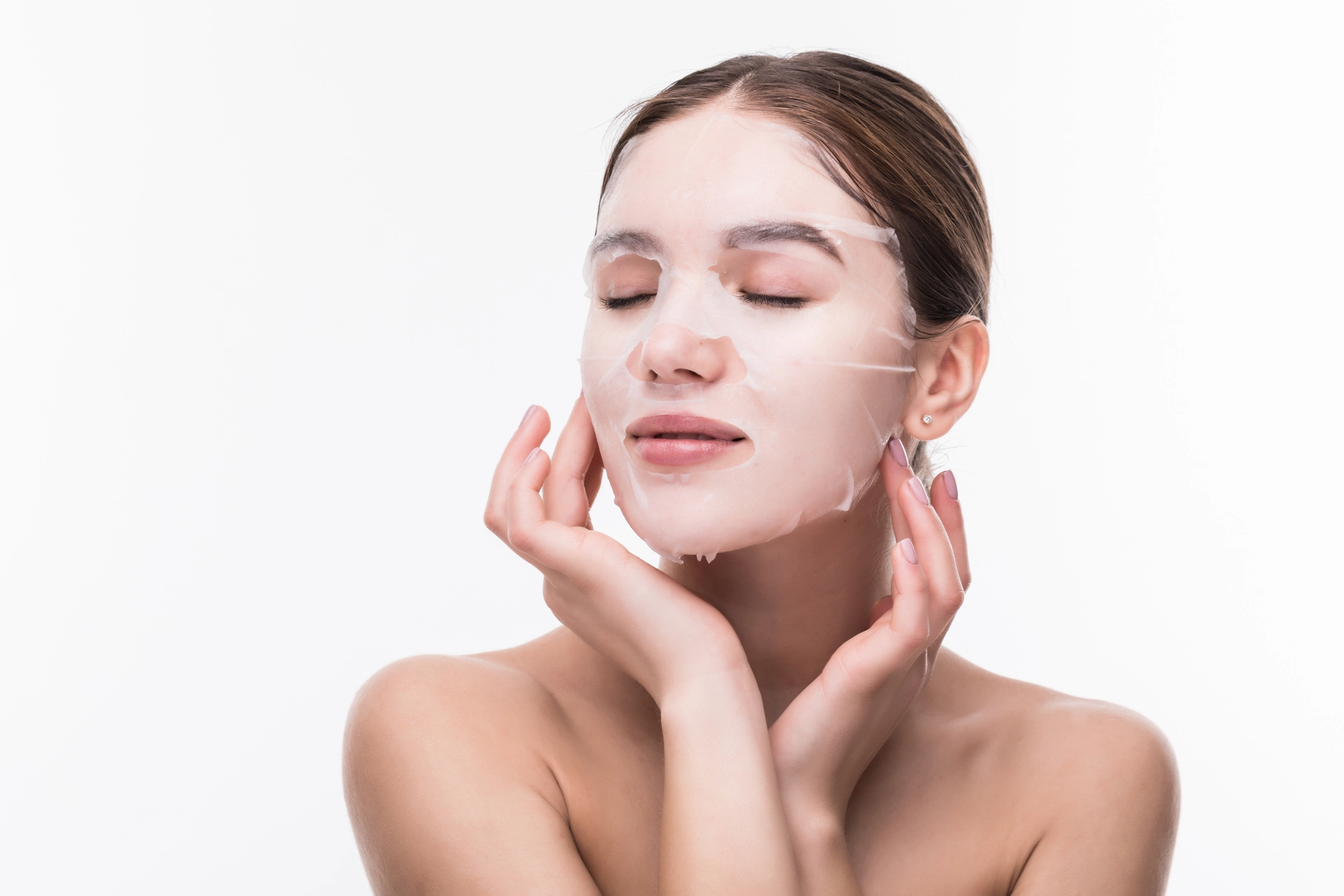
Cosmetics
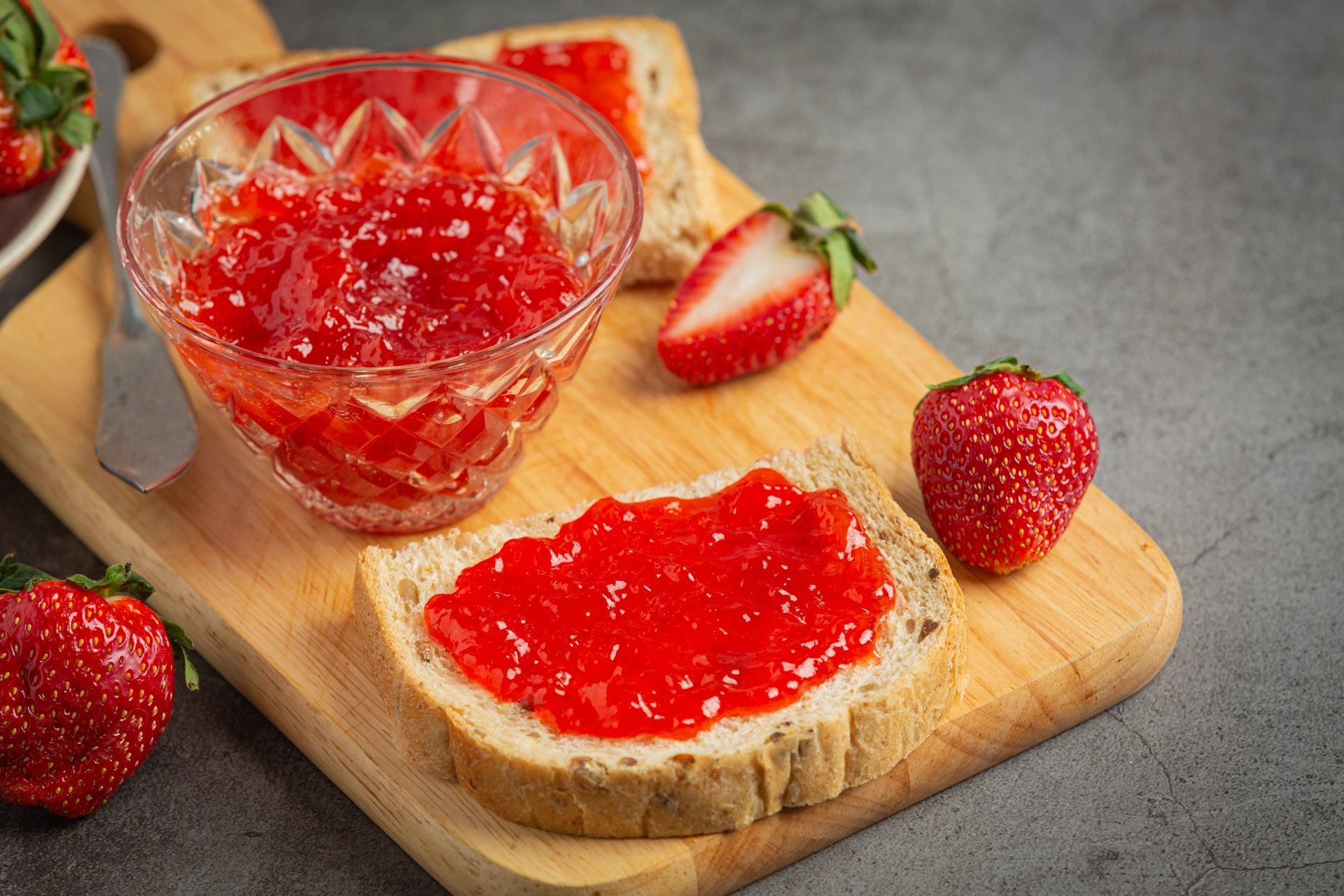
Jam & Sauce

Beer Fining

Comparison Table of Carrageenan and Other Gelling Agents
| Details | Carrageenan | Gelatin | Pectin |
| Source | Red Seaweed (Plant, Vegetarian) | Animal (Collagen from pork, beef, or fish) | Plant (Fruit peels such as apple, orange) |
| Religious/Dietary Compatibility | Suitable for Vegetarian, Halal, and Vegan diets | Not suitable for vegetarians; Halal/Kosher certification required | Suitable for vegetarians, vegans, and Halal diets |
| Gel Characteristics | Forms a hard, brittle, non-elastic gel | Produces a soft, sticky, and highly elastic gel | Produces a smooth, soft gel, commonly used in fruit desserts |
| Solubility | Requires heat (70–80°C) to dissolve | Dissolves in hot water (~40–50°C) | Requires acid, sugar, and moderate heat for proper setting |
| Functionality with pH | Functions well across a wide pH range (3–10) | Works well at neutral pH (5–8) | Functions well in acidic conditions (pH 2.5–4) |
| Stability under Refrigeration | Stable when refrigerated; does not dissolve when cold | Gel softens over time or when exposed to heat | Stable under acidic and refrigerated conditions |
| Mouthfeel | Provides thickness and viscosity but not elasticity | Elastic and bouncy, similar to typical jelly desserts | Soft and smooth texture, ideal for jams and fruit jellies |
| Primary Applications | Main applications: soy milk, puddings, processed meats, ice cream | Applications: jelly, marshmallows, various chilled desserts | Applications: jams, fruit jellies, fruit-based beverages |
| Cost | Moderate cost | Relatively low cost | Slightly higher cost |
| Concerns | Concerns: In some cases, degraded carrageenan has been reported to irritate the intestines | Religious and vegetarian restrictions apply | Requires precise control of acid and sugar levels for proper gel setting |
The Safety of Carrageenan

Non-Animal Origin
Carrageenan is a food additive derived 100% from plants, extracted from seaweed, and contains no animal components. It is suitable for consumers who follow a vegetarian diet, including young children.

Non-Allergen
Since it is extracted from natural seaweed, carrageenan is allergen-free and can be used in products requiring high health safety standards.

Non-GMO, Pesticide & Solvent Free
The seaweed used to produce carrageenan grows naturally without genetic modification (GMO-free) and the production process does not involve any chemicals or solvents.

Chemical Stability of Carrageenan
Carrageenan is highly chemically stable; it does not easily degrade or change when exposed to acids, bases, or heat. Therefore, it maintains its properties throughout food processing, cooking, and storage without affecting product quality.

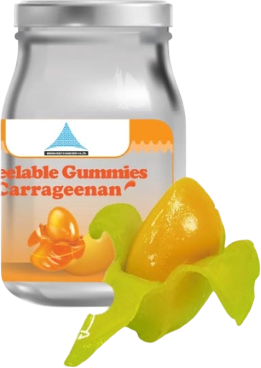
Peelable gummy
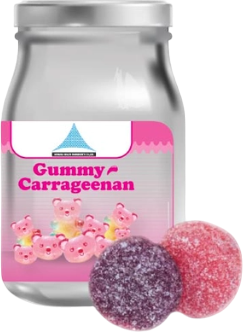
Solid gummy
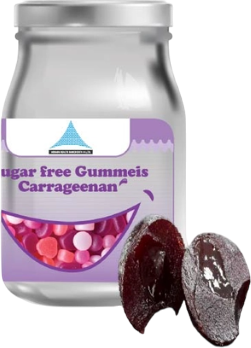
Filling gummy
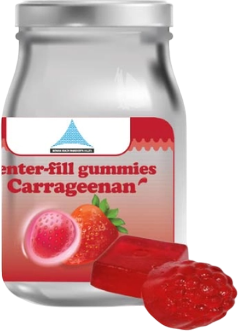
Functionnal supplements gummy
Why Choose Carrageenan as a Gelling Agent?
1. Market Trend: Growing Demand for Plant-Based Gummies
The global gummy market is shifting toward plant-based alternatives, as more consumers seek vegan, halal, and kosher products. Gummies made from animal-derived gelatin are not suitable for these market segments. As a result, carrageenan-based gummies have become an ideal alternative, meeting the rising demand for products that support health, environmental sustainability, and animal welfare.
2. Texture & Mouthfeel: Superior Chewiness and Elasticity
Carrageenan helps create a firm, elastic, and chewy texture, delivering a pleasant mouthfeel that closely mimics gelatin. Unlike pectin-based gummies—which can feel too soft or jelly-like—carrageenan offers a more satisfying bite and structure.
3. Stability: Better Heat Resistance and Longer Shelf Life
Carrageenan-based gummies are more heat-resistant than those made with gelatin, making them ideal for transportation and storage in tropical climates. In addition, carrageenan retains moisture better, helping reduce stickiness and prevent drying out over time.
4. Cost and Processing Efficiency: Carrageenan Offers Great Value and Lower Usage Rates
Carrageenan requires a smaller quantity compared to gelatin, which significantly reduces the cost per kilogram. Additionally, carrageenan-based gummies set faster than those made with gelatin, making the production process more efficient and shortening processing time.
5. Versatility and Innovation
Carrageenan provides multifunctional capabilities and supports a wide range of formulations—such as sugar-free carrageenan gummies, gummies fortified with vitamins, or those infused with herbal extracts. This makes it an ideal choice for health-conscious and nutrition-focused consumers.